

Aging isn’t about slowing down – it’s about evolving your approach to fitness, wellness and self-care. After 50, your body changes, but that doesn’t mean your strength, vitality or confidence have to decline. In fact, with the right strategy, this can be one of the most powerful and fulfilling stages of your life.
The key is understanding that fitness is no longer just about “working out” – it’s about training smarter, supporting your body, and embracing a more holistic and gentler approach.
STRENGTH TRAINING: YOUR NON-NEGOTIABLE:
One of the most important shifts after 50 is prioritizing strength training. As we age, we naturally lose muscle mass – a process known as sarcopenia. The good news? It’s reversible. Consistent resistance training helps rebuild lean muscle, boosts metabolism, supports bone density, and improves everyday functionality. Whether it’s bodyweight exercises, resistance bands, or weights, strength training is essential and the key component for maintaining independence and confidence.
MOBILITY AND FLEXIBILITY: MOVE BETTER, FEEL BETTER:
I can’t start my day or launch into a workout without doing my mobility drills!
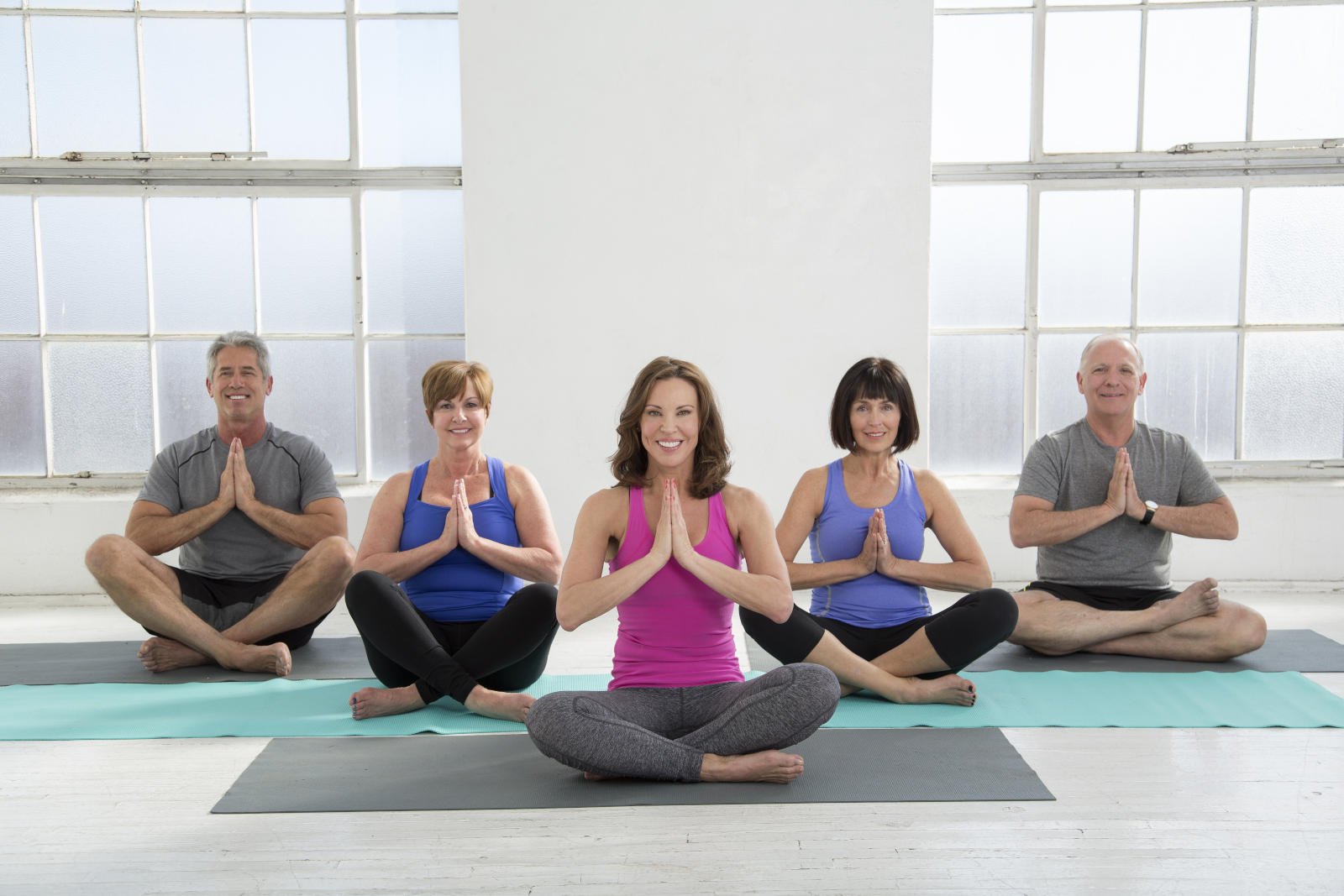
Tight joints and limited mobility can sneak up over time, often leading to discomfort or injury. Incorporating mobility work, stretching, or practices like yoga or Thai Chi helps maintain range of motion, improve posture, and reduce aches and pains. When your body moves well, everything from workouts to daily life feels easier. And, you don’t have to spend hours. Just 15-20 minutes per day will benefit you greatly. The lotion is in the motion!
CARDIOVASCULAR HEALTH: PROTECT YOUR HEART:
Heart health becomes increasingly important with age. Regular cardiovascular activity like walking, cycling, swimming or the elliptical (which is my favorite), or low-impact interval training, supports endurance, circulation, and energy levels. The goal isn’t to push harder, but to stay consistent and find activities you genuinely enjoy.
RECOVERY AND REGENERATION: THE MISSING PIECE:
One of the most overlooked aspects of fitness over 50 is recovery. Your body needs more time to repair and rebuild. Prioritizing quality sleep, hydration, proper nutrition, and stress management is just as important as the workouts themselves. Practices like stretching, breathwork, and even mindful relaxation can significantly improve how your body responds and adapts.
BALANCE AND STABILITY: TRAIN FOR LONGEVITY:
Falls are one of the biggest risks as we age, but they’re also preventable. Incorporating balance and stability exercises strengthens your core and improves coordination. Doing simple balance and agility movements can make a big difference in maintaining confidence and reducing injury risk.
MINDSET: YOUR GREATEST ASSET:
Perhaps the most powerful tool you have is your mindset. Let go of the idea that aging means decline. Instead, see it as an opportunity to reconnect with your body, redefine your goals, and show up for yourself in a deeper, more intentional way.