

The Habits That Help Us Stay Strong, Energized, and Independent as We Age
As we move through our 50s, 60s, and beyond, many of us start asking an important question:
How do I stay strong and healthy for the years ahead?
Our bodies change as we age. Muscle mass naturally declines, bones become more vulnerable, and balance and mobility require more attention than they once did.
But the good news is this:
Our bodies are incredibly adaptable at any age.
With the right habits, we can build strength, improve mobility, and maintain the energy we need to continue doing the things we love.
As a personal trainer and nutrition professional with more than 40 years of experience — and now at 65 myself — I’ve seen firsthand how powerful simple, consistent habits can be.
Healthy aging doesn’t require extreme workouts or complicated routines.
It starts with a few foundational practices that anyone can begin right away.
Strength Training Is One of the Most Important Things We Can Do
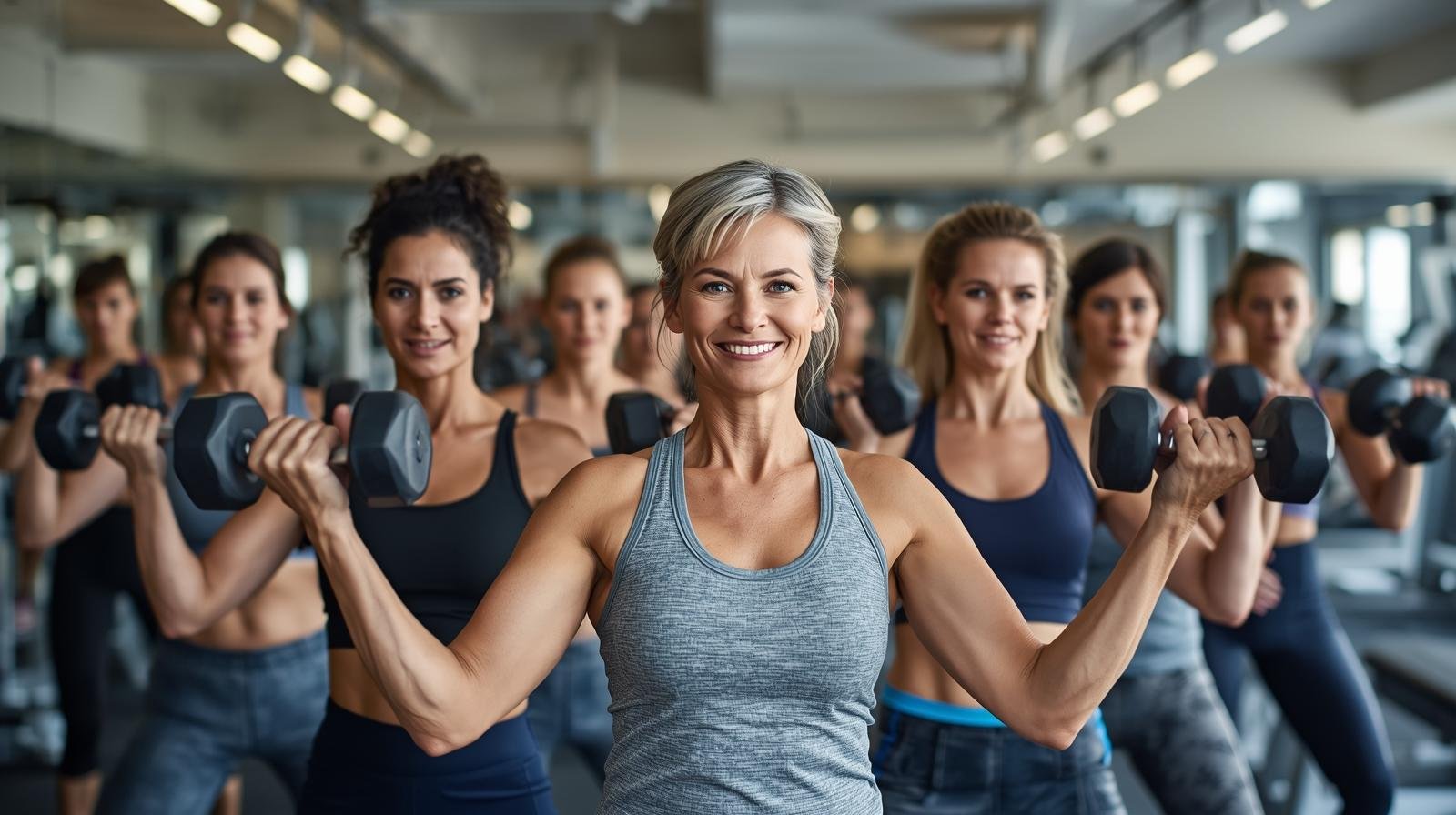
One of the most important tools we have for healthy aging is resistance training.
Strength training helps:
• maintain muscle mass
• support bone density
• improve balance and stability
• protect joints
• support metabolism and energy levels
Many people assume strength training means lifting heavy weights in a gym, but it can be much simpler than that.
Bodyweight exercises, resistance bands, light dumbbells, or even using a kitchen counter for support can all be effective.
The key is consistency, not intensity.
Even two or three short strength sessions each week can make a meaningful difference over time.
Mobility Is the Foundation of Everyday Movement
Mobility is often overlooked, but it plays a huge role in how our bodies feel and function.
Mobility exercises help maintain range of motion in the joints, reduce stiffness, and improve posture.
They also make everyday movements easier, such as reaching, bending, turning, and getting up from the floor.
Simple mobility movements can include:
• cat/cows (seated or standing)
• shoulder circles
• hip openers
• ankle mobility work
• standing side bends
Adding just five to ten minutes of mobility work into your day can help your body move more comfortably and confidently.
Balance Is a Skill We Can Train
Balance tends to decline gradually with age, but it is something we can absolutely improve with practice.
Training balance helps prevent falls, improves coordination, and increases confidence during everyday movement.
Simple ways to train balance include:
• standing on one leg while brushing your teeth
• heel-to-toe walking
• gentle single-leg exercises (single leg calf raises)
• stepping movements that challenge coordination (low impact skaters)
Just a few minutes a day can make a noticeable difference over time.
Nutrition Supports the Work We Do
Movement is only part of the healthy aging picture.
Nutrition also plays an important role in maintaining muscle, supporting bone health, and providing the energy we need for daily life.
Some simple habits that support healthy aging include:
• eating enough protein throughout the day
• staying well hydrated
• including fruits and vegetables regularly
• supporting bone health with adequate calcium and vitamin D
• choosing whole foods whenever possible
Nutrition does not need to be perfect. Consistency and balance are far more important than strict rules.
Small Habits Add Up
One of the biggest lessons I’ve learned over the years is that healthy aging is not about doing everything perfectly.
It’s about doing small things consistently.
A short workout.
A daily walk.
Five minutes of stretching.
Choosing nourishing foods.
These habits may seem simple, but they build the foundation for strength, vitality, and independence.
And perhaps most importantly, movement should feel encouraging rather than overwhelming.
When exercise feels achievable and enjoyable, it becomes something we return to again and again.
And that consistency is what truly supports long-term health.
Because aging well isn’t about slowing down.
It’s about staying strong for the life you want to live.